

If you have lymphedema, you’re probably aware that Western medicine offers almost no cures. Even with treatments, we are only provided some defensive measures to help slow down the progression. That’s why it is so great to see new research. One exciting new frontier is the healing power of LED and infrared light. In this article, I’ll share some of the research that has me very optimistic about red light therapy for lymphedema and other health improvements.
It’s Early Innings, but Research is Encouraging
Once you start to review the research, it becomes clear that science is just beginning to uncover ways that light can improve health. Really, it’s not a surprise if you realize that the Sun controls much of the function of the planet and we and all other animals mostly are driven by light and dark cycles. With the advent of indoor plumbing, electricity and now computers and hundreds of TV channels, we don’t get the hours and hours of sunlight we used to. And it appears we are suffering because of that. One group of researchers published a journal article that summarizes current general red light research and discusses future applications. They noted “serious life-threatening diseases such as stroke, heart attack, spinal cord injury, and traumatic brain injury may soon be amenable to LLLT therapy.” These researchers went on to say that “The day may not be far off when most homes will have a light source (most likely a LED device) to be used for aches, pains, cuts, bruises, joints, and which can also be applied to the hair and even transcranially to the brain.” That may give you an idea of what these lights can do and why they are receiving so much attention.

But let’s get back to red light therapy for lymphedema. Sadly, there are fewer studies. Fortunately, what’s out there now may not be much, but it is encouraging. Research shows that not only can red light therapy reduce swelling and pain, but it also may be able to improve and restore overall lymphatic system function.
Please note: this post may include affiliate links that earn FightLymphedema.com a small commission, at no cost to you, to offset the costs of maintaining this website and content. Thank you for supporting our efforts.
Lasers (LLLT) or Red Light Panels, What’s the Difference?
As you review these studies, many refer to lasers, or something called LLLT (low-level light therapy) to deliver red or near-red infrared light. These are all terms for laser therapy which project the same light wavelengths but in a much stronger format. The downside is that these lasers can burn, too, so these medical devices are not available for home use.
That’s where the home use red light panels provide a great alternative. They deliver the same wavelengths of light in a way that’s not dangerous. And because these are affordable (generally $400 to $1100, depending on size), you can buy them for daily use at home. In fact, when faced with paying $50 to $150 per session and needing many sessions, saving time and money by doing it at home can make huge economic sense. (Also, if you have health savings plan (HSA) or a flexible spending account (FSA), you may be able to pay for those with pre-tax dollars. That usually requires a physician’s recommendation.)
How can Red Light Help Lymphedema?
Here’s my summary of the research, along with links to publications so you can review it further. Please note that I am not a doctor or a medical researcher. I’m just a layperson dealing with lymphedema, looking to reduce (or, ideally, eliminate) the last bit of this nasty condition. So please, if you have medical questions, do contact your physician. Or If you are a medical professional, please feel free to comment and add any insight you have. That would be fantastic.
With that said, let’s get to the research! Please note some of this research is on mice and rats and some on humans. Hopefully, we’ll get more human testing soon. Still, since this is a non-invasive treatment with really no adverse effects, any research is better than nothing.
-
Red Light Increased Lymphangiogenesis
Lymphangiogenesis is the natural formation of new lymphatic vessels in the body. The more lymphatic vessels you have, the more opportunities for lymph fluid to drain normally instead of collecting where it shouldn’t. If you can increase lymphangiogenesis, you can strengthen the “plumbing system” to help restore lymphatic drainage and minimize abnormal swelling.
In one animal study, researchers (sadly) created lymphedema in the tails of mice. After twelve days of receiving daily red light therapy for ten minutes at a time, the treatment increased lymphangiogenesis and decreased inflammation in the treatment group but not the control or “sham” light therapy group. According to researchers, the LLLT treatment group had significantly reduced tail thickness (reduced lymphedema), reduced inflammation, and more lymphatic vessel growth.
-
Red Light Therapy Increased Lymph Node Pumping
As we know all too well, the lymphatic system does not have a pump. Instead, it depends upon our movement. The pressure from the action of muscles and joints moves lymph throughout our system. That’s why walking, swimming, rebounding and most activity helps.
But when we have lymphedema, swelling impairs the movement of lymph. Combined with an already damaged or compromised lymphatic system, it results in even more fluid collected where we don’t want it to be.
A study was conducted on animals to see if red light therapy on the lymphatic system could help wounds heal faster. The researchers looked at two groups of mice that had surgical incisions and found that the group that received red light therapy had faster healing of their veins and lymph vessels and less swelling than the group that did not receive the treatment.
This study suggested that red light therapy stimulates lymphatic fluid movement, increases lymphangiogenesis, softens fibrotic tissues, and improves contractility to encourage more normal lymph flow.
-
Red Light Therapy Increased Collagen
Scar tissue in your body can damage lymphatic vessels and create blocks that hinder lymph flow. I know this firsthand since clearing out scar tissue made a big difference in reducing my lymphedema in the past. So, reducing scar tissue can help improve your lymphatic flow.
One study of thirty people suggests that light therapy can help your body form less scar tissue and may improve existing scar tissue.
Red light therapy helps the cells in our skin that make collagen (fibroblasts) produce more energy. Collagen is what makes our skin firm. When we have a cut or a scar, the collagen in that area gets disorganized, making it harder for the skin to heal properly. But with red light therapy, the collagen can be organized again, allowing the skin to heal and the scar to become less noticeable. This can help improve movement, especially if the scar tissue limits the range of motion. On the subject of red light and lymphedema, that means less limitation of lymph flow, too.
4. Red Light Increased Interstitial Flow
Our body is mainly water. In fact, about 60% of our weight is water. Some of this water is inside our cells, but about 30% is outside our cells, in a space called interstitial fluid. This interstitial fluid is found throughout our body in spaces between our cells. Scientists recently discovered that these spaces are not “empty” but are filled with fluid, including lymph. This fluid network is supported by a structure made of collagen.
Near-infrared light is a type of light that can go deep into our body because of its long wavelengths. A study in 2019 found that treating the body with this light can help stimulate interstitial fluid movement and support the healthy formation of the collagen structure that allows fluid to move freely throughout our body.
Interestingly, this study was on the brain and Alzheimer’s Disease. The researchers concluded that this study “suggests that it is a promising non-invasive approach to treating AD.”
Yes, many of these studies are on animals. I wish they were all on humans, and hopefully, there will be more soon, given the momentum this field has. However, given that this is a non-invasive approach, and there is already substantial evidence that it helps with skin health, circulation and other issues, there’s no downside to trying it to see if it can improve your symptoms. Ideally, I”m hoping it can strengthen our lymphatic systems so we have less lymphedema in the future.
-
Improved mood and outlook for breast cancer survivors
One final study was a human study on breast cancer survivors with lymphedema. In 2019, researchers treated 22 women with breast cancer who also had resulting lymphedema after surgery and radiation. Half of the women got red light therapy along with complete decongestive therapy (CDT). In contrast, the other half got the regular treatment (CDT) plus a sham treatment. After a year, the women who received the light therapy reported feeling better emotionally and had a more positive view of themselves compared to the other group. Unfortunately, the difference in swelling was not statistically significant (I”ve read that secondary lymphedema is not as responsive as primary in this way). However, they did experience significantly increased mobility, and emotional benefits, leaving that group feeling far better than the control group with overall better results. The researchers concluded, “Findings of the trial demonstrated significant benefits of complementary LLLT for relieving symptoms and improvement of emotional distress in breast cancer patients with lymphedema.”
How Does Red Light Therapy For Lymphedema Work?
Today it is easier than ever to get red light therapy. You basically have three choices:
1. You can buy a home red light device and do regular treatments at home.
2. You can go to a clinic to get a series of treatments.
3. You can even construct a device, as the red lights are basic LED and infrared and are available from many sources. But you must be handy and have the time and patience for this.
Much of the research was carried out with lasers that deliver the same red and near-infrared wavelengths as the home red light panels provide. The red light panels, however, are safer and equally effective as long as they deliver the right frequencies. And there’s no risk of burning yourself as with the stronger lasers used in clinics.
Most panels available today for home use combine red LED light and near-infrared therapy. This is good since each type of light treats different issues:
· The LED lights treat your skin and tissues near the surface
· The near-infrared light can penetrate the skin and treat tissues and organs.
With most panels, it is a dual treatment so you just do it once. Current recommendations from these panel companies recommend daily or near daily use for 10 to 20 minutes.
What are the Benefits of Red Light Therapy?
There are now over 4,000 studies on red light therapy, so there is exploding interest in this unique therapy. Unfortunately, there are fewer tests on lymphatic-related conditions. But this research in other areas shows the promise of this therapy and the other benefits that one might expect from using these products. Here’s a general overview of other research for your information.
Red Light Therapy for Pain Relief
Red light therapy is well-researched and has been in use historically in doctors’ or therapists’ offices. Light therapy can improve back and neck pain, osteoarthritis, carpal tunnel syndrome, TMJ, and other chronic conditions. This is believed to be due to the anti-inflammatory effects of these light wavelengths. More specifically, this therapy appears to work by reducing the activity of certain chemicals in the body called cyclooxygenase and prostaglandins while activating opioid receptors. Together, these actions reduce pain. The light also stimulates the release of endorphins and serotonin, which are natural chemicals that can help improve mood and reduce feelings of discomfort. Red light therapy can also help increase metabolism and change how nerves transmit signals, further reducing pain signals in the body. (Read more detail on the research.)
Red Light Therapy for Skin Repair
Red light therapy is also widely used and researched for treating the skin, both in professional treatments and home use devices. Conditions related to acne, wrinkles, wound healing, and skin diseases such as eczema and psoriasis have shown benefits from red light treatment. Research by NASA and other agencies found that red and near-infrared light technology can help heal wounds faster. This is because this technology has been found to be effective in all four stages of the wound-healing process: coagulation, inflammation, migration, and remodeling.
When the body tries to heal a wound, one problem it encounters is low oxygen flow. Red light increases oxygen flow to the wounded area, speeding up natural healing. In addition, by reducing inflammation and increasing oxygenation, blood vessels can form more quickly. This results in faster recovery and less pain and scarring.
Red Light Improves Immunity (Which also Helps Lymphatics)
Did you know your lymphatic system is part of your overall immune system? We’ve already covered some research on that, but now let’s look at the bigger picture, the immune system.
We all need a robust immune system to protect our bodies from various threats, including viruses, bacteria, and diseases. Red and near-infrared light can go through your skin and into your cells. This light makes your cells work a little harder, which helps them to be better at fighting inflammation and damage.
Red light therapy can help your body be more ready to fight infections. Studies have shown that red light therapy can positively affect your immune system. These effects include improving the production of essential chemicals like melatonin and antioxidants, as well as improving the function of your thyroid and T cells. Red light therapy can also help your body produce collagen and elastin, which can encourage your lymph nodes to be more active. Finally, red light therapy can help your immune cells move around better and work more effectively, which can help you stay healthy.
Here are two studies that have investigated the effects of red light therapy on the immune system:
Avci P, Gupta A, Sadasivam M, et al. Low-level laser (light) therapy (LLLT) in skin: stimulating, healing, restoring. This review article discusses the various ways in which low-level laser therapy (LLLT), including red light therapy, can improve immune function in the skin.
Barolet D, Roberge CJ, Auger FA, et al. Regulation of skin collagen metabolism in vitro using a pulsed 660 nm LED light source: clinical correlation with a single-blinded study. This study investigated the effects of red light therapy on collagen production in human skin, which can have implications for immune function and wound healing.
Red Light Therapy Reduces Inflammation
You’re probably aware of the harm inflammation creates in our bodies. When you experience acute inflammation, that is a normal and healthy response. For example, if you get stung by a bee or cut your hand, inflammation is your body’s natural healing response. Unfortunately, our bodies can get and stay inflamed in today’s modern world where we’re far away from the natural diets and movement patterns of our ancestors. This chronic inflammation is damaging in many ways and can lead to serious diseases.
Today’s treatment for inflammation is NSAID or steroid drugs, but both have significant adverse side effects on long-term health. Red light therapy, on the other hand, can reduce inflammation without these negative side effects. It is a non-invasive, safe treatment if usage guidelines are followed.
How exactly does red light therapy calm inflammation? It reduces this natural reaction by promoting the creation of new blood vessels and increasing fibroblast proliferation. (These are cells that synthesize collage and other vital tissue components.)
Red light therapy is showing potential benefits for those who suffer from the following chronic inflammatory conditions:
- Arthritis
- Fibromyalgia
- Asthma
- Sinusitis
- Alzheimer’s disease
- Irritable bowel syndrome
Red Light Improves Physical Performance
Athletes and sports professionals are enthusiastically embracing red light therapy as a natural way to enhance performance. Red light therapy helps our muscles grow and repair themselves by increasing the production of ATP, which encourages faster recovery.
Red light therapy can prepare and strengthen our bodies when used before exercising. Or it can be used after exercise, where it can help our muscles recover more quickly.
Some of the scientifically-proven effects of red light therapy include reducing muscle soreness and increasing growth after exercise, improving endurance and performance, increasing the quality of our sleep, improving sexual function and desire, aiding in weight loss, improving brain function, reducing the signs of aging in our skin, and reducing cellulite.
Finally, red light therapy has also shown psychological and emotional benefits. It can help fight Seasonal Affective Disorder (SAD). Some physicians today, in fact, recommend light therapy alongside counseling and medication.
What are the Risks of Red Light Therapy?
The exciting thing about this therapy is that it is extremely safe.
While there is some evidence that red LED light can help your eyes, it is best to err on the side of caution and always wear eye protection. The near-infrared wavelength, which is the most helpful for lymphedema and impacting deeper tissues and organs, is invisible and can harm your eyes.
So, to be safe, always wear eye protection when facing or looking at the lights.
High-quality Red LED light panels usually come with goggles or other protective eyewear, so you’ll be provided with what you need.
There are a few other risks, mostly with overuse. Most panel manufacturers recommend a maximum of 20 minutes or so per day. The upper limit may be far from that level, but again, it’s always good to be conservative. And just use common sense. Someone apparently got burned when they fell asleep in front of the light panel.
Taking the Plunge: What Red Light Panel is Best?
If you’d like to try red light therapy for lymphedema, I did several weeks of research and settled on the MitoPRO 1500. (Be sure to use this discount code, FL001, to get 5% off the price.) This is a full-body panel that allows you to treat large areas quickly. I selected this one because it has the raw power needed to get results, but didn’t have a budget of extra features that I wouldn’t use. It also doesn’t include blue light, which is not as well studied and may at times be harmful.
It is lower priced than some of the higher profile companies. Finally, I liked that they provide a 60 day money back guarantee so you can try it out and return it if it doesn’t provide you any benefits. That’s important since it is a bigger investment. Most companies offer this 60 day trial period BUT many charge a 15 to 20% restocking fee, which pretty much defeats the purpose.
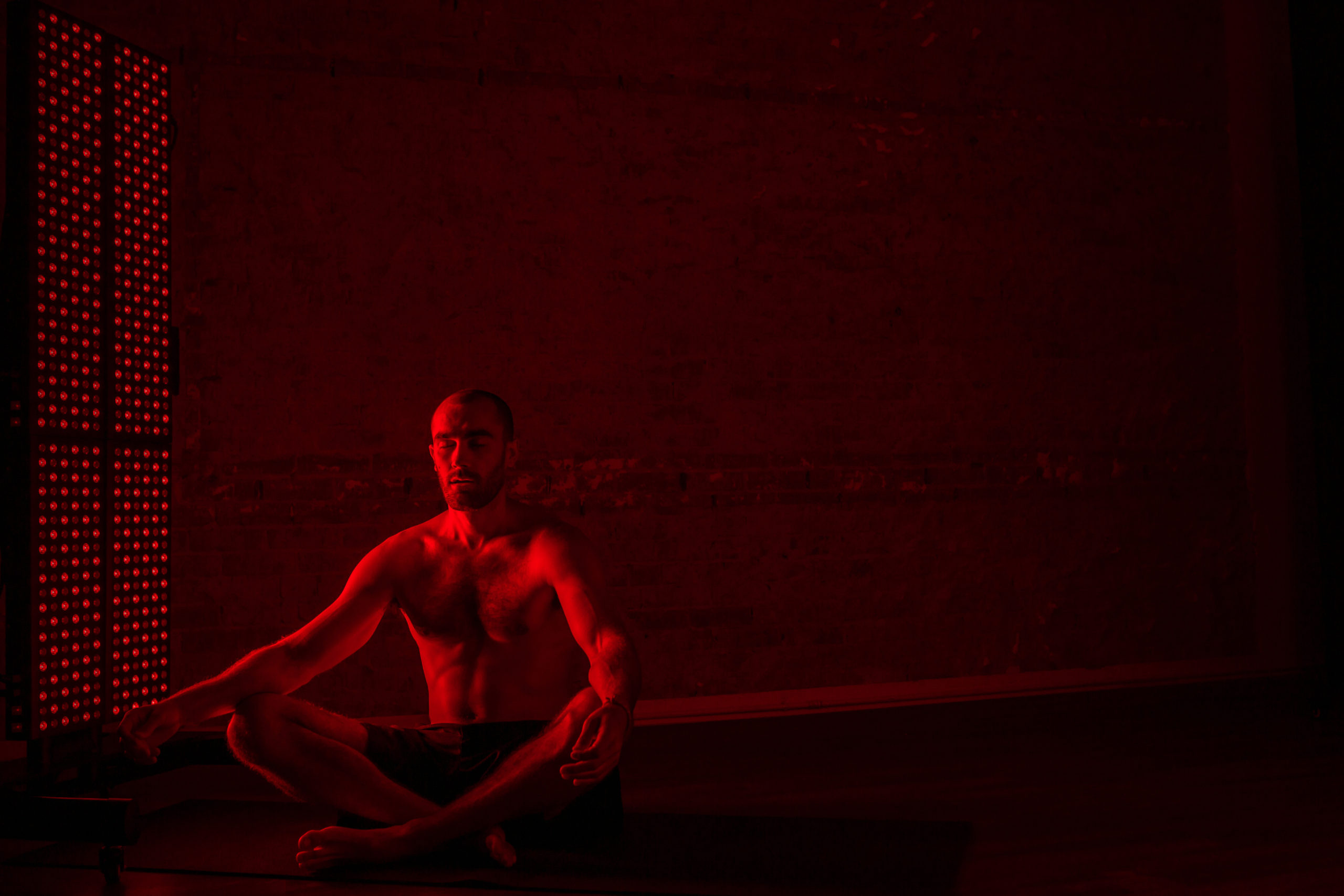
I have the light on the floor by a wall in my gym. I roll out a blanket, lay on my side and listen to a podcast (of course, with goggles on the eyes), then flip over. Most days I will do upper and lower body separately, so 5 minutes on each side. I found it easy and relaxing, and it was a smooth addition to my morning routine.
Some people will purchase two panels so they can get a full body exposure in less time. However, I don’t find 20 minutes to be too bad, so I am happy with this current setup for now.
Key Takeaway
Red light therapy is a hot topic, and we can expect to see more research and evidence from this growing field. In the meantime, it might be worth a try both for immediate swelling control as well as hopefully, overall lymphatic system improvement.
Have you tried red light therapy for lymphedema (or anything else)? We’d love to hear your experience and what benefits, if any, you received in the comments below.



Thank you very much for sharing 🙂
You blog has given me some hope. I have secondary lymphedema in the arm and any sort of compression sleeve makes my hand blow up. The use of my hand is more important to me than the size of my elbow so I have been doing MLD with a few days of compression and then nothing for few weeks in order to keep my elbow in check but allowing my hand to recover. I have just started Wuling San under the prescription of my TCM doctor. It hasn’t helped yet but it’s only been about 4 days.
How are you doing?
Hi Ellie, thanks for reading and sharing your story. Best of luck with the TCM! I am good…leg actually is getting even better, although I have to watch the whole movement thing. Since my issue is my lower legs, I can’t sit in a chair/at a desk for very long. If I do I feel the swelling start to return. So I have to work with my legs up. That’s fine since I work from home, although I have to watch the whole posture thing,but I have zero problem with that. So very happy and over time it is getting better which is a huge relief, although I do realize that I can’t let my guard down. Please let us know how it goes!
I am a Dr Vodder trained Mld therapist
I have invested in 2 light panels – NIR & Red light combined
I am using it on my primary & secondary patients as well as post surgery & Lipoedema
To me it makes sense to use light to help stimulate the lymphatic system , reduce inflammation & pain
Everyone is saying they feel it is helping ease their symptoms
I will keep you posted
Hi Justine,
Thank you so much for posting this! Do you mind sharing the brand of panels you are using? This is fantastic news. I look forward to hearing more.
Thanks for this post. I just broke my lymphoedema arm and my arm is swelling as a result. I have a red light panel at home and will give it a try.
red light has helped my wife’s symptoms somewhat…the hard areas have softened significantly.
Thanks for chiming in Dan…that is great to hear that your wife’s symptoms are improving. I definitely notice the difference when I”m not using red light vs. using it several times per week.
What type of lymphedema do you have? I got my brother a red light therapy device after coming across some articles about its benefits for lymphedema. Later I realized all those articles were referring to secondary lymphedema, usually after breast cancer. Trying to find evidence online for red light on primary lymphedema, but not successful so far.